It’s easy to forget how distinct the different parts of the UK are. Ninety-two different historic counties, four nations. Each rooted in their own history, heritage, community and identity.
Various factors – from colonialism to Thatcherism to social media – have led to language, dialects, accents and identity homogenising somewhat. But in 2025, we’re seeing more people wanting to both better understand and connect with their local identities.
Let’s look at the signs of this shift and explore what it means for brands.
The signals we’re seeing
At a macro level, we’re seeing a growing interest in learning endangered and extinct UK languages: Irish, Welsh, Cornish and Scots Gaelic to name a few.
Take Irish as an example – now the UK’s second-fastest-growing language. City Lit (an adult education provider) shows Irish enrolments up 155% in five years, whilst Duolingo stats show that 1 million people globally are actively learning Irish at any given time.
On social media, we’re seeing creators from across the UK and Ireland, such as @AliMCForever bring an in-depth history of local culture and dialects to a wider audience. And they often dig into what led to suppressing these unique identities being suppressed, in favour of English elite-led homogeneity.
And it’s not just language. We’re seeing a reignited interest in hyper-local culture. Charlie Cooper’s ‘Myth Country’ encapsulates this desire to learn and connect. He, and his sister Daisy May Cooper, travel around Britain’s rural heartlands in a converted AA van. Along the way, they uncover the strange, spiritual and often overlooked folklore that still shapes communities today.
With the revival of print magazines, indie publisher Weird Walk, grow from a shoestring fanzine to an eight-issue run that sells out on launch. The zine blends folklore, psychogeography, paganism, and punk aesthetics, inviting readers to rediscover the land through ancient paths, forgotten rituals, and seasonal shifts.
What does this mean for brands?
Like people, brands often bring their local heritage to the fore, especially when it comes to food and drink. Think Yeo Valley, Cawston Press, The Edinburgh Gin Distillery, and good old Ginsters. If your product has a distinct sense of place, lean in.
But there’s an opportunity to go beyond simply ‘showing’ your audience where a product is made. It’s a chance to embody the values, culture and communities that helped make your brand what it is today.
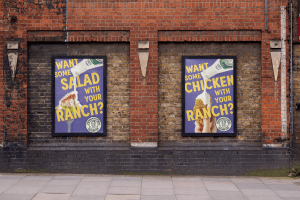
At a broader level, you could explore bringing local dialects into your ad campaign, like this hilarious campaign from Irn Bru. To go even further, think about weaving local craft and design into your branding. Showcase your product’s connections with local skills and techniques, or even bring local rituals into new brand experiences and product development.
On global or divisive topics like the climate crisis, our Persuadables research shows localising your messaging makes your campaign more effective. Speaking your audience’s language or dialect and connecting your cause to the things people care about, makes the topic accessible and engaging. Take our recent work for the World Land Trust – the first wave of our hyper-local campaign saw a 93% increase in donations from the areas targeted.
All this can help ground your communications in something richer and meaningful. It lets you tell a more engaging brand story, and connects with your audience on a deeper, emotional and more authentic level.
Want to discuss how leaning into culture and heritage can benefit your brand? Get in touch with the team at hello@mediabounty.com.