How do you feel when you see the word ‘sustainability’ or the phrase ‘carbon reduction’?
Excited? Or indifferent?
If the latter, you’re probably in step with most of the British public.
And yet, current ethical communications tend to portray consumers as activists, use lots of jargon, are mostly female-coded, and try to appeal to Millennials’ sense of urgency over climate change.
This may have worked in the past. But by focusing on such a narrow section of society, brands are missing out on growing commercially. They’re missing the mainstream. Persuadables.
There are some organisations though, who’ve seen success by speaking to mainstream Britain. So, ACT Climate Labs & Media Bounty’s Florencia Lujani, Strategy Director, hosted them on our latest panel to find out more.
In this article, we’ll take you through:
- Who the Persuadables are
- How World Land Trust, Men’s Minds Matter and Jacob Douwe Egberts’ Peet’s engaged Persuadable audiences
- What worked: the techniques that had the biggest impact
Who are the Persuadables?
69% of the British population believe climate change is happening but aren’t engaged with the topic. At Media Bounty (MB) and ACT Climate Labs, we call them ‘Persuadables’ because of their untapped potential. Through our research, we’ve found they think sustainable products and communications are for others, “not for people like me”.
We’ve conducted in depth research into this audience, and how we can make sustainability and sustainable products more relevant to them.
How brands have engaged Persuadable audiences
For World Land Trust’s Director of Brand & Communication, Dan Bradbury, “stepping out of our bubble” came first in engaging a wider audience. As Dan pointed out, only 4% of UK charity donations go towards environmental issues – climate change is not top of most people’s minds. Their recent campaign with Media Bounty, ‘Must be World Land Trust’ secured a 200% increase in website traffic, 95% of which was from new visitors, and a 93% increase in donations from target cities.
This is how they did it:
- WLT aimed not to sound like other conservation charities
- They made messages tangible and culturally relevant – how did it fit in with ordinary people’s lives?
- Made it easy for people to get involved. The ads deliberately didn’t feature a call to action, removing effort for a busy audience.
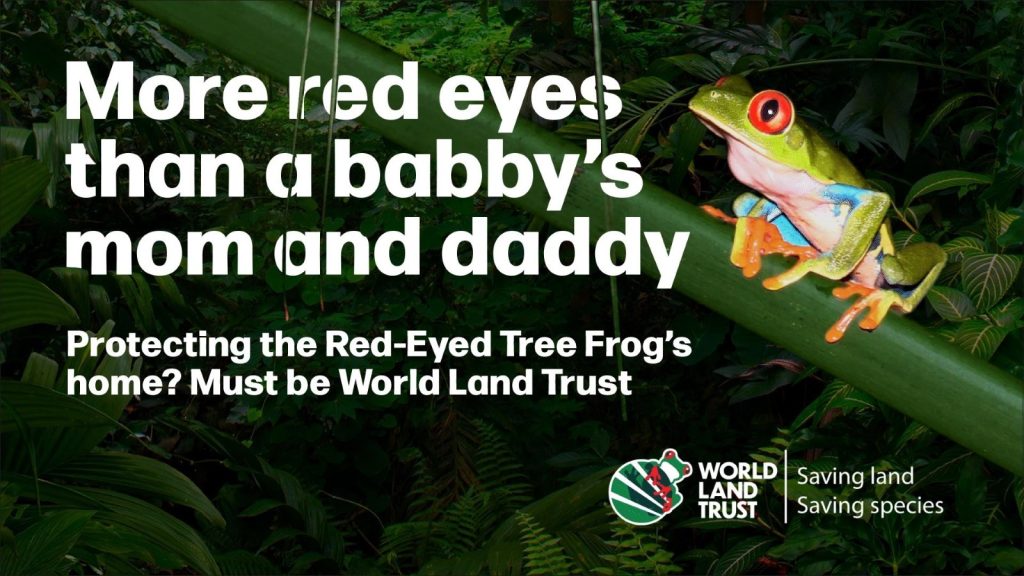
World Land Trust used local dialect to bring distant good news, closer to home in Birmingham.
Suicide prevention charity, Men’s Minds Matter’s (MMM) most recent campaign with Media Bounty focused on the link between problem gambling and suicide rates. 90% of problem gamblers are male, and social media disproportionately bombards them with gambling ads. So, as Tommy Lee, MB Senior Copywriter & MMM Director, explained, MMM decided to parody those ads, on the nation’s biggest betting day – the Grand National.
Here’s how they engage their audience:
- Meet men where they are. Choosing the day of the Grand National caught gamblers’ attention.
- Use different topics. The charity recently used football to talk about coping mechanisms for anxiety.
- Keep it lighthearted. Humour can make a tricky subject more accessible. To avoid clichés and stereotypes, a diverse team with lived experiences helps.

Men’s Minds Matter aped gambling ads and their language, on the nation’s biggest betting day, to reach problem gamblers.
For coffee company Jacobs Douwe Egberts’ Peet’s Sustainability Lead, Oliver Ellis, there’s a job to be done both internally and externally. The brand recently launched paper packaging but without the usual green signifiers. Initial results show their sales rising.
Their approach includes:
- Educating internally and embedding sustainability as a fourth KPI across the business.
- Ditching the ‘green tax’. Sustainable products shouldn’t be more expensive.
- Avoiding green tropes on packaging. Sustainability is part of the whole brand.
- Simplifying messages. Paper pouches helped the company reduce their carbon footprint. But consumers care about less packaging and recycling at home. So, they focus their messages as ‘97% less packaging’ and ‘recycle at home’ (see below).
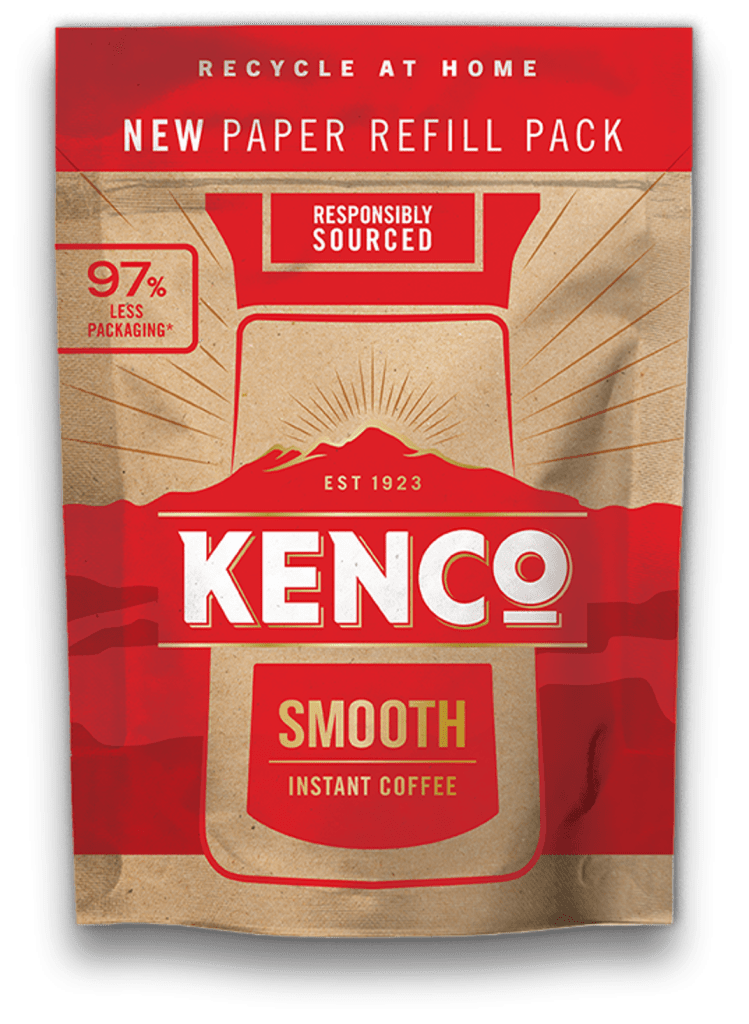
When Jacobs Douwe Egberts’ Peet’s changed to more sustainable packaging, they were careful to avoid ‘green’ clichés, and keen to show they’re embedding carbon reduction across the company. They also simplified and framed the benefits so they chime with what’s important to consumers.
What’s worked: four key takeaways for you
So, what can you put into action in your brand to grow? Dan, Tommy and Oliver had the following advice:
- Be single minded. Focus on your audience and don’t be tempted to water it down to reach those you aren’t targeting.
- Speak their language. An ‘if you know, you know’ approach is good if relevant.
- Make it tangible. How does it relate to your audience’s everyday lives?
- Simplify your message.
Want to know more about the Persuadables? Download the first wave of our research: Beyond the climate bubble
Want to know what language resonates with the Persuadables? Download our latest research: Why words matter.